
Women's Leather Quilted Jackets


Women's Leather Quilted Jackets
Breezy Bliss Black Puffer Jacket

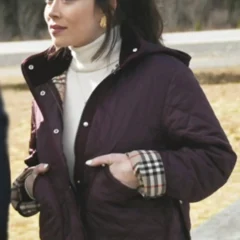
Women's Jackets
Fiona Rene Tracker Quilted Jacket
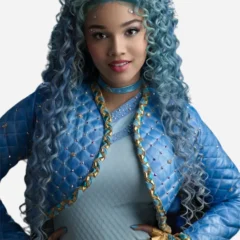

Celebrity
Malia Baker Descendants the Rise of Red Blue Quilted Jacket


Mens Jackets
Palm Angels Brown Quilted Jacket
Why Your Quilted Jacket Might Be Letting You Down (And How to Fix It)
Let’s be honest—most “quilted jackets for women” sold online look great in photos but fall apart after two weeks of real use. The stitching splits, the fill clumps, the hood blows off in a breeze, or worse—it’s marketed as “warm” but offers about as much insulation as a tea towel. If you’ve been burned before, you’re not alone.
Quilted outerwear sits at a tricky crossroads: it needs to balance style, warmth, weight, and weather resistance without tipping into bulk or blandness. And with so many options—from high-street fast fashion to heritage country brands—it’s easy to grab the wrong one for your lifestyle.
This guide cuts through the noise. We’ll help you spot the difference between a jacket that looks quilted and one that actually performs, whether you’re commuting in Manchester drizzle, layering for a weekend in the Lake District, or just want something smart enough to throw over a work blouse without looking like you’re heading to a ski lodge.
What Makes a Quilted Jacket Actually Worth Wearing?
Not all quilted jackets are created equal. The term “quilted” simply refers to the stitched pattern (often diamond-shaped) that holds insulation in place—but what’s inside and outside those stitches determines everything.
Key elements that separate the keepers from the landfill-bound:
- Fill type: Down offers unbeatable warmth-to-weight ratio but loses insulating power when wet. Synthetic fills (like PrimaLoft or Thinsulate) handle damp better and are often more affordable—but can feel stiffer.
- Shell fabric: Nylon and polyester dominate for good reason—they’re lightweight, wind-resistant, and dry fast. Look for a DWR (durable water repellent) coating if you face rain regularly.
- Lining: Fleece-backed or thermal linings add cozy warmth without bulk. Some budget jackets skip this entirely—big red flag.
- Construction: Double-stitched seams, reinforced stress points (shoulders, pockets), and quality zips (YKK is a reliable sign) matter more than you think.
- Fit & function: A belted waist can flatter without squeezing. A hood? Essential for sudden showers—but only if it’s adjustable. And sleeve length should allow for layering underneath.
Style Meets Substance: Choosing the Right Silhouette
Your lifestyle should dictate your cut—not the other way around.
| Style | Best For | Key Features | Watch Out For |
| Short quilted jacket | Urban commutes, casual layering, petite frames | Hip-length, easy to tuck into high-waisted trousers, pairs well with dresses | Can ride up if too cropped—check torso length |
| Long quilted coat | Rural walks, colder climates, tall frames | Thigh- or knee-length, extra wind protection, elegant drape | May feel bulky with heavy layers underneath |
| Belted quilted jacket | Smart-casual settings, hourglass shapes | Defined waist, transitions from office to evening | Belts that detach or fray quickly—check stitching |
| Hooded quilted jacket | Travel, unpredictable weather, outdoor errands | Practical coverage, often more relaxed fit | Hoods that lack structure or adjustment toggles |
| Diamond quilted jacket | Classic country aesthetic, timeless appeal | Traditional Barbour-style patterning, often waxed or water-resistant | Some “diamond” prints are purely decorative—no real quilting underneath |
Pro tip: If you’re between sizes, size up—especially if you plan to wear jumpers or fleeces underneath. Quilted jackets don’t stretch.
Real-World Performance: What to Prioritise Based on Your Needs
- For city dwellers: Go lightweight, water-resistant, and sleek. A black or navy quilted jacket in a matte finish works with everything—from jeans to tailored trousers. Brands like Uniqlo, COS, or Mango often nail this balance.
- For countryside or coastal living: You need weatherproofing. Look for taped seams, storm flaps over zips, and a slightly longer cut. Joules, Barbour, and even Columbia offer rugged yet stylish options.
- For travel: Packability is king. Choose a synthetic-filled, hooded style that compresses into its own pocket. The North Face Thermoball Eco or Patagonia Nano Puff are solid (though pricier) picks.
- For luxury minimalism: Think clean lines, tonal stitching, and premium fabrics. Ralph Lauren, Michael Kors, and Burberry do elevated versions—but check the fill weight. Some “designer” quilted jackets are more fashion than function.
Common Mistakes That Waste Your Money
- Assuming “quilted” = warm: Thin shells with minimal fill won’t cut it below 8°C. Check the fill power (for down) or grams per square metre (for synthetic).
- Ignoring care instructions: Many quilted jackets can’t be tumble-dried properly, leading to clumping. Hand-wash or use a gentle cycle with tennis balls in the dryer to fluff the fill.
- Chasing trends over fit: A neon green puffer might be “in,” but if it overwhelms your frame or clashes with your wardrobe, it’ll sit unused. Neutral tones (black, olive, navy, taupe) offer far more versatility.
- Overlooking pocket placement: Deep, zipped hand pockets? Essential. Chest pockets that gape open? Annoying. Try before you buy if possible.
FAQs: Straight Answers to Real Questions
Are quilted jackets warm enough for winter?
It depends on the fill and your climate. Lightweight quilted jackets suit autumn or mild winters (above 5°C). For true cold (below freezing), look for “insulated” or “thermal” versions with 150g+ synthetic fill or 600+ fill-power down—and layer underneath.
What’s the difference between a quilted jacket and a puffer jacket?
All puffers are quilted, but not all quilted jackets are puffers. “Puffer” implies significant loft and volume from thick insulation. Quilted jackets can be sleek and flat—ideal for layering under coats or for milder weather.
Can I wear a quilted jacket in the rain?
Only if it’s explicitly water-resistant or waterproof. Standard quilted jackets may repel light drizzle thanks to a DWR coating, but prolonged rain will soak through. For wet climates, choose one with a waterproof membrane (like Gore-Tex) or a waxed cotton shell.
How do I style a black quilted jacket without looking dull?
Pair it with texture: a chunky knit scarf, leather boots, or wide-leg corduroys. Add a pop with a bright bag or metallic jewellery. A belted version instantly elevates it for dinner or drinks.
Are expensive quilted jackets worth it?
Often, yes—if you’ll wear it heavily. Brands like Barbour or Patagonia use better materials, offer repairs, and last years. But for occasional use, high-street brands like Zara or H&M have improved dramatically in quality and offer great value.
Can quilted jackets be tailored?
Rarely. The quilting and internal baffles make alterations risky—you could puncture the insulation or distort the pattern. Always check the size chart and reviews for fit notes before buying.
Final Thought: It’s About the Right Jacket—Not the Most Expensive One
A great women’s quilted jacket isn’t defined by a logo or a price tag. It’s the one you reach for week after week because it works—keeps you dry on a surprise downpour, looks put-together with zero effort, and still feels light enough to forget you’re wearing it.
Focus on fabric integrity, thoughtful design, and how it fits your life—not just your Instagram feed. When in doubt, prioritise function first. Style will follow.